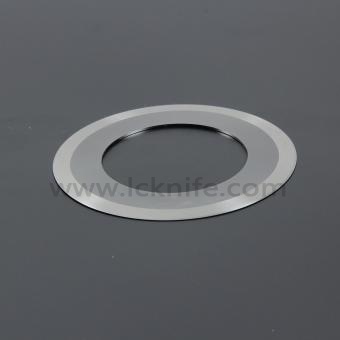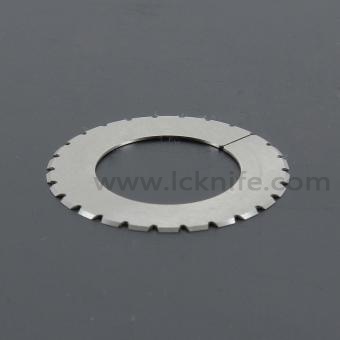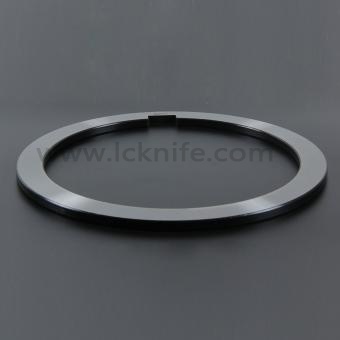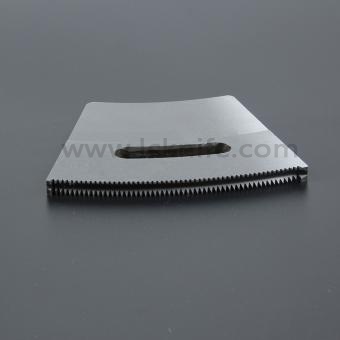
Triturar plásticos de ingeniería resistentes, como nailon, policarbonato, HDPE de paredes gruesas o polímeros reforzados con fibra, es un trabajo brutal. Requiere más que solo la potencia bruta del motor; requiere la perfecta cuchilla para trituradora de un solo eje.
Si eliges la cuchilla equivocada, terminarás con plástico derretido, dientes astillados y costosos tiempos de inactividad. Así es como se selecciona la herramienta adecuada para el trabajo.
No todos los aceros para herramientas son iguales. Para plásticos resistentes, tu elección de material es fundamental:
D2 (SKD11): El estándar de la industria. Excelente para plásticos abrasivos en general. Ofrece un gran equilibrio entre resistencia al desgaste y costo.
DC53: La mejora definitiva para plásticos de alto impacto. Tiene el doble de tenacidad que el D2, lo que significa que no se astillará ni agrietará al procesar grandes masas de plástico rígido o parachoques de automóviles.
Los plásticos resistentes tienden a volverse elásticos y calentarse bajo la fricción. Para combatir esto:
Opta por la concavidad: Elige cuchillas con una cara cóncava (curvada). Actúan como garras, cortando agresivamente el plástico en lugar de forzarlo de manera contundente.
Cuida la separación: Mantén una tolerancia ajustada entre las cuchillas giratorias y las contracuchillas para evitar que los plásticos elásticos se enrollen alrededor del rotor.
Es un mito común que más dureza siempre es mejor. Aunque una alta dureza aumenta la resistencia al desgaste, hace que la cuchilla sea frágil. Para plásticos resistentes, busca una cuchilla profesional tratada térmicamente al vacío con una dureza de 58–60 HRC. Esto proporciona el equilibrio perfecto: lo suficientemente dura para mantenerse afilada y, al mismo tiempo, lo bastante resistente para absorber impactos fuertes.
Ma'anshan Licheng Blade Manufactory


 Red IPv6 compatibles
 Escanear a wechat: