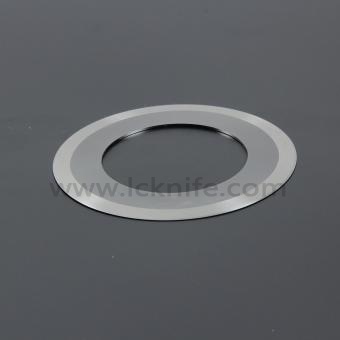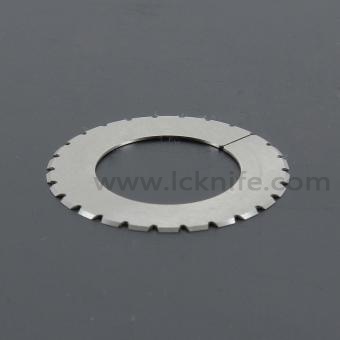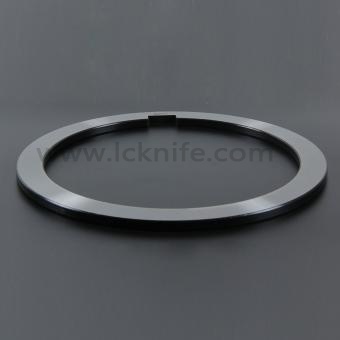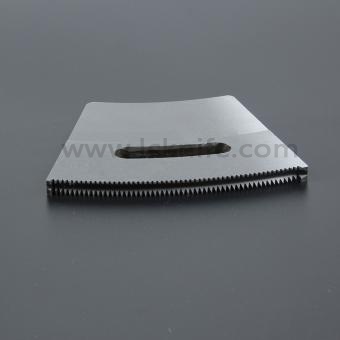
El corte de chatarra se realiza en condiciones de trabajo difíciles, lo que impone altas exigencias a la calidad de la misma.
cuchillas de corte
, particularmente en términos de resistencia y dureza.
El H13 es un acero aleado para herramientas. Debido a su alto contenido de elementos de aleación, posee una excelente templabilidad. Tras el temple, suele quedar una cantidad considerable de austenita retenida en la microestructura. Esta austenita retenida continúa transformándose en martensita únicamente durante el proceso de enfriamiento posterior al revenido, conocido como «temple secundario».
Tras el primer revenido, la formación de nueva martensita genera nuevas tensiones internas. Además, es posible que quede algo de austenita retenida sin transformar. Por lo tanto, se requiere un segundo o incluso un tercer tratamiento de revenido.
La temperatura de revenido suele estar entre 550 y 600 °C, y el tiempo de revenido depende de la carga del horno y del espesor efectivo de las palas.
Ma'anshan Licheng Blade Manufactory


 Red IPv6 compatibles
 Escanear a wechat: