En las operaciones de corte industrial, la precisión de la
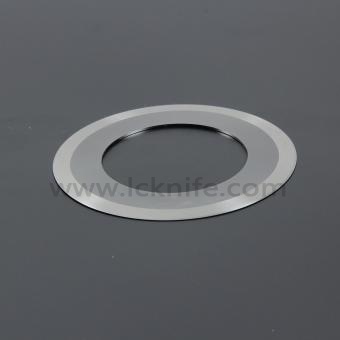
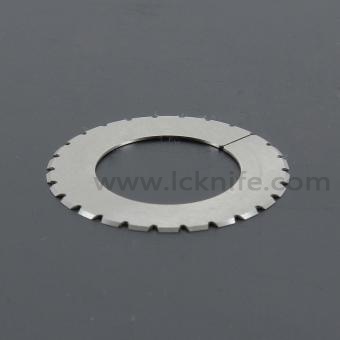
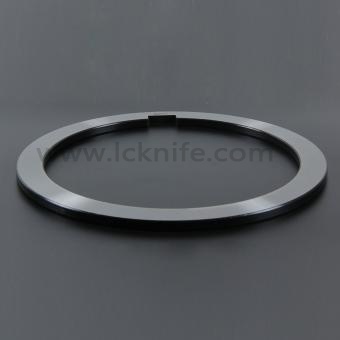
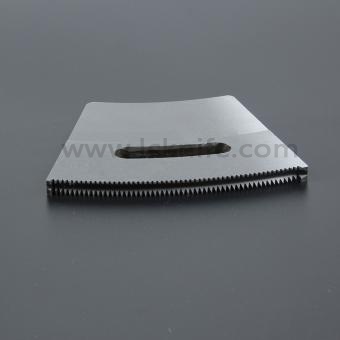
cuchillo de destripar
El estado de la superficie determina directamente la calidad del corte de los paneles. Para prolongar la vida útil de la cuchilla, reducir las rebabas en los productos terminados y mejorar la eficiencia de la producción, los operarios deben cumplir estrictamente con las siguientes normas de uso y mantenimiento de la cuchilla.
1. Inspecciones clave y ajustes de holgura antes de la instalación del inserto.
1. Prohibido estrictamente trabajar con lesiones.
Antes de instalar cada herramienta, se debe inspeccionar cuidadosamente el filo de la hoja. Asegúrese de que la hoja no tenga bordes romos, muescas ni astillamientos. Cualquier defecto menor puede magnificarse durante el funcionamiento a alta velocidad, lo que puede provocar el descarte de la pieza o daños en la hoja.
2. Ajustar científicamente la separación de la cuchilla
La separación entre las palas (Gap) no es estática. Los operadores deben ajustar estrictamente la holgura entre las palas superior e inferior de acuerdo con los siguientes tres elementos clave:
Espesor de las tablas ranuradas
La resistencia a la tracción del material
Propiedades físicas de los materiales (como acero inoxidable, placas de aluminio, acero de alta resistencia, etc.)
Nota: Una holgura adecuada no solo garantiza una superficie de corte lisa, sino que también reduce eficazmente el desgaste por fricción de la herramienta.
2. Inspección de productos terminados anormales y reparación de heridas.
Durante el proceso de corte longitudinal, si se detectan defectos de corte, como rebabas excesivas, roturas o desgarros, en el producto terminado, se debe detener la máquina inmediatamente y seguir los siguientes pasos:
Comprueba si hay daños en el filo del cuchillo: Da prioridad a comprobar si hay desgaste repentino o astillamiento en el filo.
Ajuste fino de las holguras superior e inferior: Si el corte permanece intacto y no muestra daños evidentes, el problema reside en el espacio, y es necesario reajustar la superposición y la holgura transversal de las cuchillas superior e inferior.
3. Estándares de afilado de cuchillas: Cómo eliminar la "capa de fatiga"
Cuando la hoja presenta ligeros desperfectos o pequeñas muescas, debe procederse a un afilado preciso de inmediato.
Asegúrese de "dos grados": Durante el rectificado, debe utilizarse una rectificadora de alta precisión para garantizar absolutamente el paralelismo y la concentricidad del conjunto de la cuchilla, evitando una desviación excesiva después de la carga debido a un rectificado irregular.
Cálculo científico de la cantidad de afilado: La cantidad de afilado debe determinarse en función de la profundidad real del daño en el filo de la hoja.
Técnicas básicas (eliminación de la capa de fatiga):
Generalmente, después de rectificar la hoja cilíndrica exterior (es decir, cuando desaparece la muesca), se debe realizar un rectificado adicional de 0,5 mm a 1,0 mm. Este paso es crucial para eliminar por completo la capa profunda de fatiga del metal en la hoja, evitando que se oculten microfisuras y garantizando la resistencia al desgaste durante el siguiente uso.
4. La solución definitiva para laceraciones profundas: reaplicación y templado en fábrica.
Tras varias rondas de rectificado, el inserto acumula una tensión interna considerable. En este punto, la tensión profunda y la tensión interna en el filo de la hoja a menudo no se pueden liberar mediante un simple rectificado mecánico.


 Red IPv6 compatibles